Belgium’s financial landscape has transformed dramatically over the past two decades. What was once a market dominated by traditional banking institutions and in-person consultations has now become a digital ecosystem where technology, accessibility, and education converge. Belgian investors are no longer limited by geography or time; today, they have access to global markets, real-time data, and advanced trading tools at their fingertips.
This evolution has made investing more inclusive and transparent, opening opportunities for both experienced investors and newcomers eager to take control of their financial future. Yet, despite these advancements, many Belgians still find the concept of “smart investing” daunting—associating it with complexity, risk, or the need for insider knowledge. The truth is that modern investing has never been simpler or more accessible, thanks to the rise of online trading platforms and the growing culture of financial literacy.
From Traditional Banking to Digital Empowerment
For years, Belgium’s investment culture was deeply tied to traditional banking systems. Investors relied heavily on their banks for financial advice, often with limited visibility into where their money was going. Brokerage fees were high, information was scarce, and access to international markets was often restricted to institutional investors or those with significant capital.
Then came the digital revolution. The 2000s introduced online trading platforms that broke down barriers, allowing individuals to manage their own portfolios. Suddenly, access to real-time market data and trading tools became possible from any device. This shift marked a turning point—it wasn’t just about convenience; it was about empowerment.
Belgian investors began to demand more control and transparency. They no longer wanted to rely solely on intermediaries; they wanted to understand the “why” behind every trade, the trends influencing the markets, and the opportunities available beyond their local borders. The modern investor has become more informed, analytical, and proactive.
Read More: Why Annual Maintenance Charges Vary When You Open a DEMAT Account
Technology as the Driving Force of Change
Technology has reshaped how Belgians invest, bridging the gap between traditional finance and the digital age. Algorithms, automation, and artificial intelligence are now integral parts of trading, providing deeper insights and greater precision in decision-making.
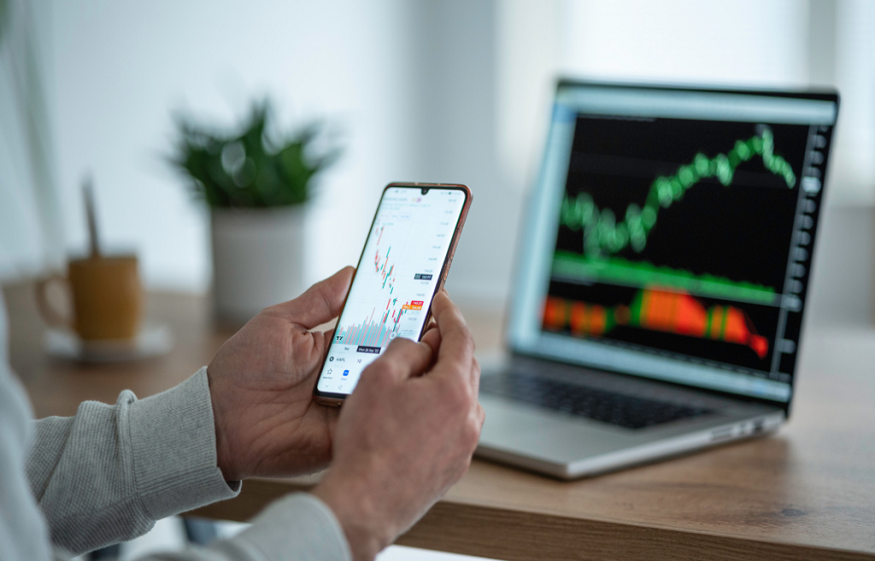
Mobile trading apps, for instance, have made it possible to monitor investments, execute trades, and analyse performance in real time, all from a smartphone. Cloud-based platforms ensure data security and seamless synchronisation across devices, while AI-driven tools help predict market movements and optimise portfolio management.
Technology has democratized access to global markets. Belgian investors can now trade stocks, bonds, ETFs, and even commodities or foreign currencies with a few clicks. This diversification not only spreads risk but also enhances the potential for long-term returns.
The Rise of Financial Literacy and Investor Confidence
Another key factor in Belgium’s trading evolution is education. With greater access to online learning resources, tutorials, and webinars, Belgians are increasingly taking the initiative to understand markets and strategies.
The stigma that investing is “only for the wealthy or experienced” has steadily eroded. Millennials and Gen Z investors, in particular, have embraced a do-it-yourself approach, blending self-education with digital tools. They view investing not merely as a way to grow wealth but as a long-term path toward financial independence.
Access to Global Opportunities
One of the most remarkable changes in Belgium’s trading ecosystem is the growing access to international markets. Investors are no longer confined to domestic stocks or European bonds. The global marketplace is open—from U.S. equities and Asian tech stocks to emerging market funds and sustainable ETFs.
Read More: Embedded lending for small business financing: a quietly powerful shortcut
This globalisation of investing is a game-changer. It allows Belgians to take advantage of trends in different economies, hedge against regional risks, and build well-rounded portfolios that reflect a truly global perspective.
Brokers like Saxo have played a pivotal role in this transformation, giving Belgian traders the tools and insights they need to engage with international markets efficiently. These platforms don’t just provide access, they also empower investors through educational content, analytical resources, and transparent trading environments. Learn more here.
Responsible and Sustainable Investing
As trading becomes more accessible, Belgian investors are also becoming more conscious of their impact. Environmental, Social, and Governance (ESG) investing has taken centre stage, with individuals seeking to align their financial decisions with ethical values.
Sustainability is no longer a niche concern; it’s a mainstream priority. Many Belgian investors now favour companies that demonstrate social responsibility, environmental awareness, and ethical governance.
This growing interest in sustainable investing reflects a broader societal trend—one that blends profit with purpose. It shows that modern investors are not just looking for financial returns but also for long-term value creation that benefits both society and the planet.
Conclusion
Belgium’s journey from traditional banking to digital investing is a testament to how technology, education, and accessibility can reshape financial behaviour. Smart investing is no longer reserved for experts—it’s a skill anyone can develop with the right mindset and resources.
As investors continue to embrace digital platforms and global opportunities, they’re not just building portfolios, they’re building financial independence and resilience. The evolution of trading in Belgium is, at its core, a story of empowerment: of individuals taking charge of their financial future, one informed decision at a time.





Leave a Reply
You must be logged in to post a comment.