
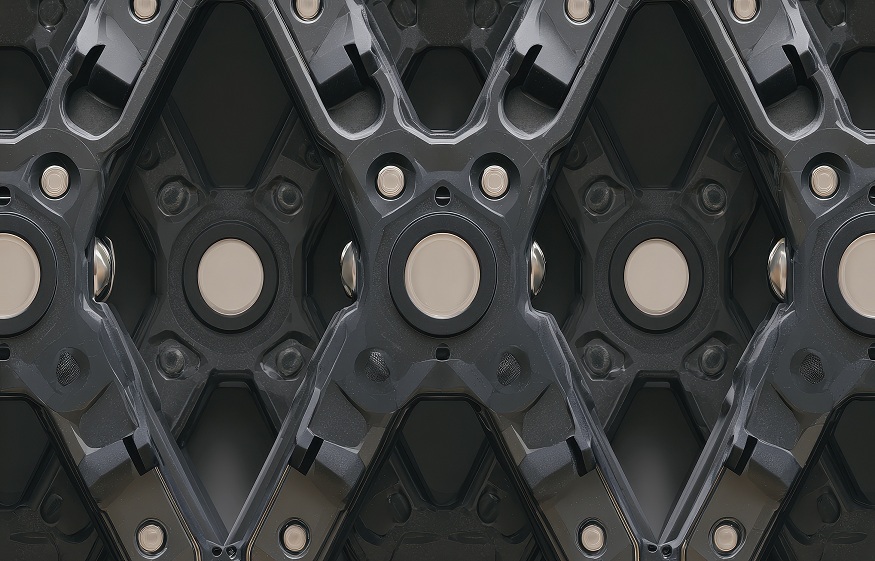
Engineers have a problem. Parts must endure extreme stress while remaining lightweight. It’s akin to requesting someone to construct a bridge out of paper capable of holding the weight of a truck. Designers in all industries struggle with this challenge. The good news is that we know how.
In the past, you made your choice. Want something tough? Great, here is a chunk of steel that weighs a ton. Need it light? Certainly, but it might not endure challenging times. Aluminum helped a bit. Carbon fiber showed promise. But there was always that compromise hanging over everyone’s heads.
Breaking the Old Rules
Do you remember making s’mores as a kid? Marshmallow, chocolate, graham cracker. They are all great individually. Combined, they are magical. It’s the same for this. One material stops things from bending. Another prevents cracks from spreading. Combine them correctly, and suddenly traditional materials are outdated.
This is now a reality. Car frames now weigh half as much as your dad’s old truck frame. But you are safer in a crash. Aircraft wings flex without breaking. Rackets can handle 140 mph serves with little to no visible impact.
Smart Design Strategies
It’s not enough to throw materials together randomly. It is like cooking. You need the proper ingredients in the proper places. Take a bicycle frame. The joints where tubes meet? That is where all the action happens. They need extra muscle. The middle of a straight tube? Not so much.
Computers have changed the game completely. Instead of building ten prototypes and watching nine fail, designers run simulations. Thousands of them. They torture-test virtual parts until they know exactly where problems hide. It’s like having X-ray vision for weakness.
Read More: From Bids to Bargains: Making the Most of Online Storage Auctions
Then there’s the building process itself. Old-school manufacturing carved away material like a sculptor working marble. Tons of waste. Now? We add material exactly where it needs to go, nowhere else. Picture building with Legos, but at the molecular level. Internal honeycomb structures, hollow channels that snake through solid-looking parts; stuff that would blow your mind if you could see inside.
Real-World Applications Taking Flight
Airlines jumped on this bandwagon first, and for good reason. Fuel costs eat profit margins for breakfast. Companies like Aerodine Composites show what happens when you combine advanced composites with clever engineering. Their components outperform aluminum ones, being lighter, stronger, and superior. Each pound saved increases cargo, range, or reduces fuel use.
But it’s not only planes now. The long arms of wind turbines reach out. They gather gusts that less advanced blades cannot. Electric cars squeeze extra miles from battery packs because the car itself doesn’t weigh as much as a small house anymore. Hip replacements last longer. Race car drivers walk away from crashes that would have been fatal twenty years ago. Even your smartphone benefits from these breakthroughs.
Looking Ahead
Get ready because the next developments will be even wilder. Materials that repair themselves. Structures that change shape with electricity. Some labs examine materials that become tougher with repeated stress.
Money is still important. This tech is expensive. But remember when flat-screen TVs cost ten grand? Same story here. Prices drop every year. Techniques get smoother. What seemed like Star Trek last Tuesday becomes boring and normal by Friday.
Read More: Notarization Differences: Power of Attorney in Dubai vs. Power of Attorney in UAE Courts
Conclusion
That old trade-off between strong and light? Dead and buried. We can have the best of both worlds now. These materials are here, effective, and rapidly spreading. Companies must either join or be left behind. It’s that simple. The shift has already started, and momentum builds daily. Products without these technologies will be obsolete in five years. The future is now. Manufacturers who want to stay relevant should move fast.





Leave a Reply
You must be logged in to post a comment.