Inside every lightweight panel sits a core that does most of the work. This middle layer determines the structure’s stability. With the right approach, you get a decades-strong item that weighs almost nothing. Get it wrong and watch everything crumble. Core choices drive performance more than most people realize.
Why Core Materials Matter So Much
Think about bending a yardstick. Flat against a table, it flexes easily. Turn it on edge and suddenly it won’t budge. Same wood, different orientation. Cores work like that turned yardstick. They push the outer skins apart, creating stiffness without piling on pounds.
But separation alone won’t cut it. The skins need to work as a team, not as two separate pieces. Cores tie them together. When load hits one side, the core spreads it across both skins. Take away that connection and the skins buckle like empty soda cans. The largely air material is the system’s foundation.
Different Cores for Different Jobs
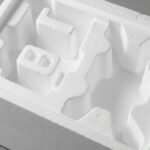
The widespread use of foam is attributed to its low cost and ease of application. Closed cells keep water out. The squishy structure kills vibrations before they spread. Great for plenty of uses. Not so great when serious loads come calling. Foam crushes. Once crushed, it stays that way. No second chances.
Read More:From Bids to Bargains: Making the Most of Online Storage Auctions
Balsa surprised everyone when it first appeared in composite panels. Here’s this super-soft wood that you can dent with your fingernail, yet it makes incredibly stiff cores. The long fibers that run through balsa handle compression like champs. Boat builders jumped on it right away. The problem is that balsa loves water as much as boats do. One crack in the outer skin and that balsa soaks up moisture. Pretty soon you will have rot, weakness, and a real mess on your hands.
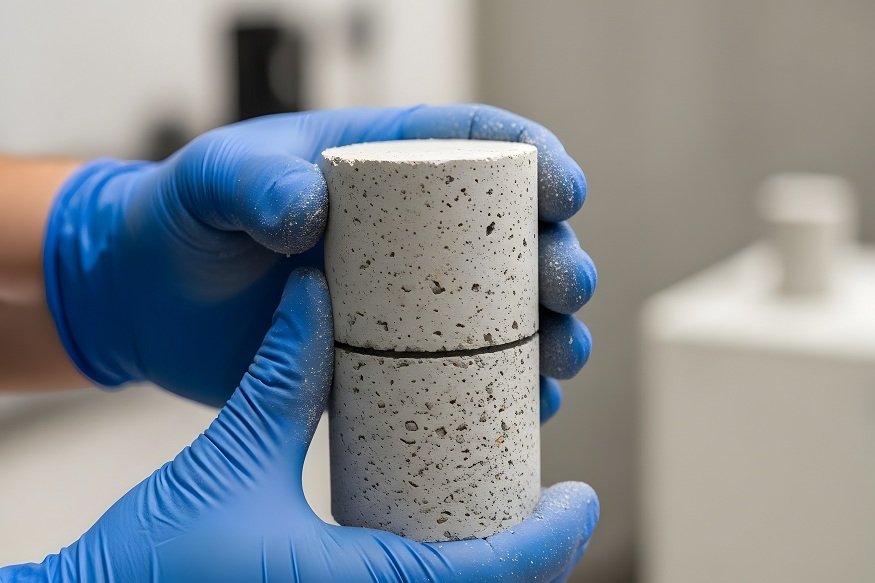
Then there’s the geometric approach. Repeating patterns of cells create shocking strength from very little material. The honeycomb core leads this pack, squeezing maximum performance from minimum weight. Axiom Materials and similar innovators have refined these geometric systems to handle the brutal demands of aerospace and racing. Manufacturing precision beats what nature provides, hands down. Every cell is identical. Every wall has the perfect thickness. No weak spots.
How Cores Affect Long-Term Performance
Years pass. Stress accumulates. Some cores handle it. Others don’t. Temperature fluctuations degrade foam. Moisture travels through tiny cracks. The foam turns to powder. Strength vanishes. Wood cores fight the same moisture battle, plus bugs think balsa makes a nice snack.
Metal and composite geometric cores age like fine wine. Heat cycling? No problem. Chemical exposure? Most bounce right off. Repeated loading that would crush other materials? These cores shrug it off. Pull a geometric core panel from a 1980s aircraft and test it; it probably still meets spec.
Don’t forget the glue line. Cores need the right surface for adhesives to grab. Smooth won’t work. Too rough and you get voids. The bond between core and skin carries all the loads. Material chemistry plays into this too. Some combinations stick forever. Others slowly peel apart.
Making the Right Choice
Picking cores means juggling priorities. Money talks loudest for most projects. Manufacturing complexity comes next. Operating conditions eliminate options fast. Jet exhaust melts certain plastics instantly. Salt spray eats through unprotected metal. Fuel dissolves some foams. Whatever the core faces, it had better be ready.
Conclusion
Core materials separate success from failure in composite structures. They deliver strength without weight penalties. They determine lifespan and they affect cost from start to finish. Two thin sheets become something extraordinary when the right core joins them. This basic principle keeps pushing technology forward, making everything lighter, stronger, and better. The core might hide inside, but it runs the show.
Read More:Notarization Differences: Power of Attorney in Dubai vs. Power of Attorney in UAE Courts