
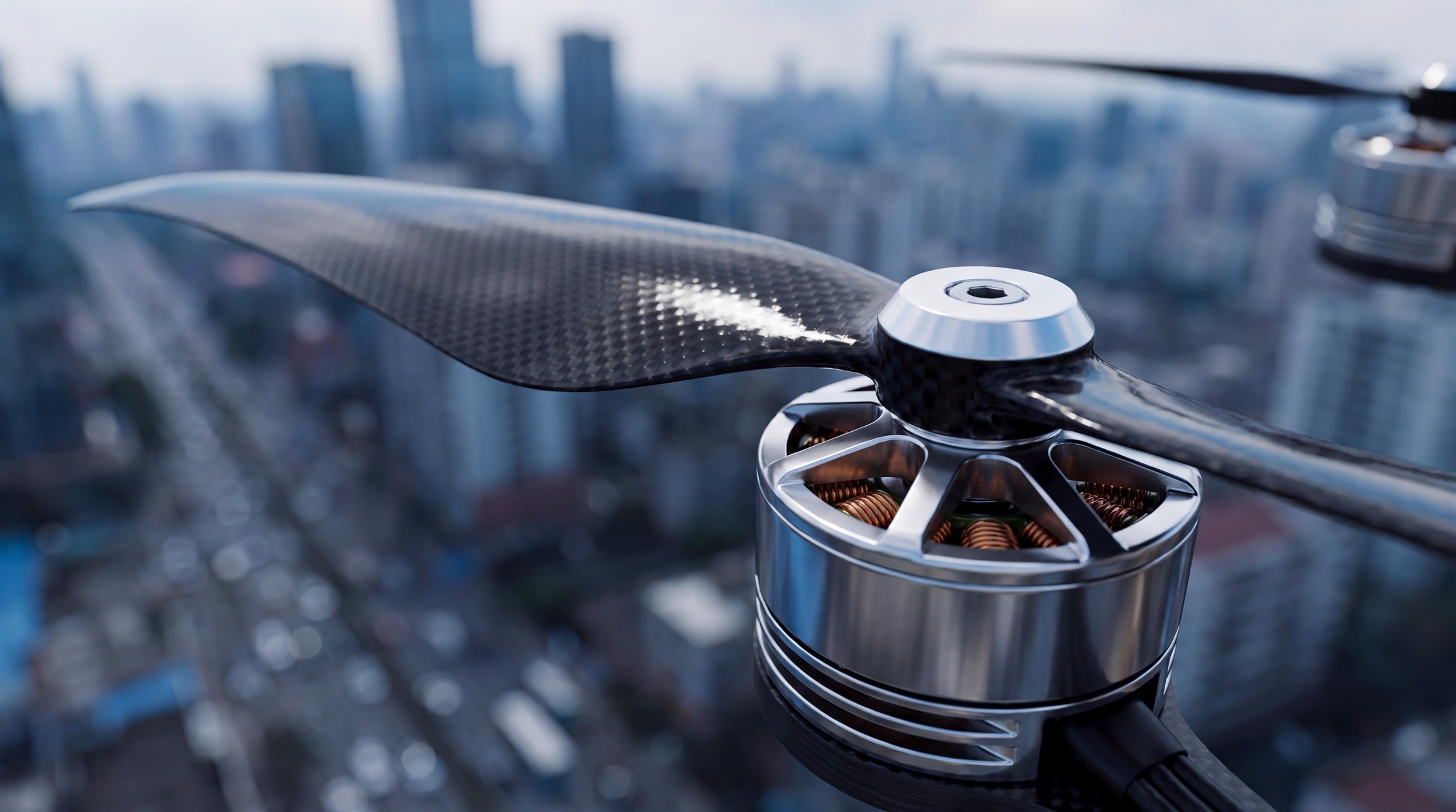
Line up a dozen drones and you might think they are all cousins. They are not. The one that films weddings shares almost nothing with the one that maps farmland or carries medicine over a ridge. And before an engineer sketches anything at all, one question has to be answered. What is this machine actually for? Whatever the answer is, it drives every decision after that, right down to the curve of the blades.
The Job Sets the Rules
Drones are simply tools. Hammers and screwdrivers are for different tasks. Drones play by the same logic. The job lays down the rules, and the design just falls in line behind them. A machine built to cruise for miles over open country needs a body nothing like one meant to squeeze through tight corners. Speed, weight, range, lift. The task picks all of it. Swap the job and you have basically swapped the whole drone.
Size and Frame Come First
The mission decides how big a drone should be. A small drone tucks into cramped spots and stays quiet near buildings. This works great for close-up inspections.
Read More: When Traditional Materials Reach Their Limits
A big one hauls heavy gear and shrugs off strong gusts. This means that it suits mapping or delivery. Weight feeds into every bit of that. Each extra ounce leans on the motor and eats the battery quicker. So engineers shave the frame down to exactly what the job asks for, and not a scrap more.
Power and Flight Time Follow
How long does it need to stay airborne? That one question shapes the battery and the motors more than anything else. A fast peek around the backyard barely sips power. A long crawl over a few hundred acres of corn needs a battery that just keeps going. Bigger batteries drag more weight, though, and weight bites into flight time. So engineers hunt for that sweet spot where power and weight settle into a truce.
Choosing the Right Propeller
The propeller shows this whole idea better than any other part. A racing drone begs for props tuned to raw speed. A delivery drone wants blades that drag a heavy load without breaking a sweat. A camera drone needs a smooth, hushed spin so the video does not come out shaky. Since the demands swing so wildly, picking the right prop takes a real feel for the craft. This is where the best UAVs propeller manufacturers make their name. Aerodine Composites excels at creating custom mission-specific blades. Perfectly fitted drone props are the result of shops blending strong, light materials with smart design.
Sensors and the Rest of the Kit
Once the body, the power, and the props are locked in, the mission calls the shots on what else tags along. A mapping drone carries cameras and scanners. A search drone might strap on heat sensors to find people in the dark. A crop drone, operating from above, transports instruments capable of measuring plant health. Each new add-on necessitates power adjustments and rebalancing by engineers. The other parts sense it when one part is touched.
Conclusion
Every drone quietly tells you what it was built to do. The mission sets the target, and then the frame, the battery, the props, and the sensors all click into place around it. Nothing lands on the machine by accident. When engineers pair each piece to the task, they end up with something that does its one job and does it well. That kind of focus is what turns a heap of parts into a drone folks can actually trust.
Read More: How to Reduce Packaging Waste Without Sacrificing Performance




Leave a Reply
You must be logged in to post a comment.