
Every Monday, Amazon boxes pile up and make the trash trucks groan. Packing peanuts drift across parking lots like tumbleweeds. Plastic wrap clogs recycling machines until workers shut everything down to cut it loose. Americans throw away more packaging than ever, yet nobody wants their new laptop showing up in pieces. Companies figured out how to thread this needle, though most people never heard the success stories.
Understanding the Waste Problem
Packaging garbage multiplies faster than fruit flies in August. Every click of “buy now” launches another box into the world. Inside that box? More boxes. Plus foam. Bubble wrap. Those annoying air pillows that pop when you step on them. The stats make environmentalists weep. Packaging fills up almost a third of every garbage truck. We’re talking millions of tons each year just from boxes and wrapping. Sure, recycling exists. But plenty of stuff can’t be recycled at all. The stuff that can? Gets weaker every trip through the system. Half of it ends up in trash cans anyway because nobody reads those tiny recycling symbols.
Read More: When Traditional Materials Reach Their Limits
Companies catch heat from everywhere. Social media mobs roast them for shipping USB cables in refrigerator-sized boxes. Shareholders grill executives about sustainability reports. Cities pass laws banning certain materials or charging fees that make CFOs cry. But ship something that breaks? Kiss your reputation goodbye after the one-star reviews roll in.
Smart Design Reduces Material Use
Engineers got clever instead of just adding more padding. Computers now drop-test products ten thousand times before anyone touches cardboard. Software spots weak points where boxes fail. This homework kills unnecessary foam while beefing up spots that actually matter. Right-sizing changed everything. Why ship air? Products rattling around in oversized boxes need extra cushioning to survive. Tight-fitting packages protect better using less material. Some designs telescope or fold to handle different sizes. Twenty box types shrink down to three.
Remember geometry class? Packaging designers finally started using it. Triangles spread impact better than rectangles. Curves bounce drops that would smash flat walls. Honeycomb structures stay strong with barely any material. Bees knew this trick before humans invented wheels. We just took forever to notice.
Alternative Materials Make a Difference
Mushrooms grow into packaging now. Farm waste mixed with fungus roots becomes custom cushioning. Your grandmother’s compost pile eats it for breakfast after you unpack your order. The ocean provides packaging too. Seaweed becomes films that work like plastic wrap but dissolve when wet. No oil wells needed. No toxic chemicals. Just underwater plants doing their thing while protecting your stuff during shipping.
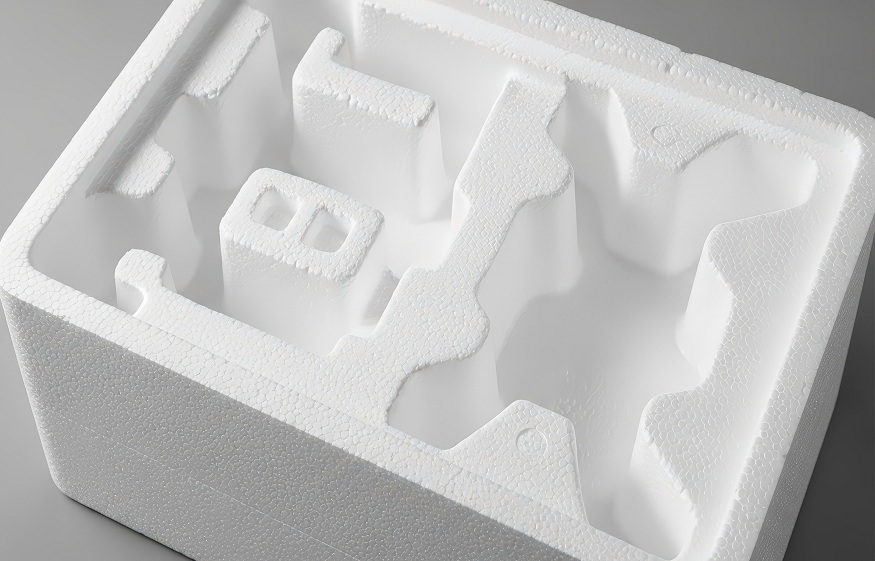
Biodegradable EPS packaging options hit the sweet spot between protection and planet-friendliness, with companies like Epsilyte cooking up foam that knows when to quit. Looks identical to regular foam. Protects just as well. But instead of lasting until the sun burns out, special additives help it break down in landfills within reasonable timeframes. Your package stays safe. Future generations don’t curse your name.
Air pillows revolutionized void fill by being 99 percent nothing. Recycled plastic makes up the other one percent. Cardboard shreds replaced those static-clingy peanuts everyone hates. New corrugated patterns hold more weight with less tree pulp. Baby steps add up to giant leaps.
Read More; What Makes a Composite Ready for Harsh Operating Conditions
Conclusion
Cutting packaging waste while keeping products intact isn’t fantasy. Solutions exist right now, getting better each month. Design smarts eliminate waste before factories fire up. New materials protect shipments then disappear without drama. Companies embracing these changes watch customers notice and competitors panic. The transition takes work but pays off for businesses brave enough to ditch old habits. Tomorrow’s packages will coddle products without trashing the planet. That future arrives faster than most people think.





Leave a Reply
You must be logged in to post a comment.