Markets rarely move according to a perfectly predictable script. Even experienced traders who have spent years studying price patterns, economic cycles, and market behaviour can find themselves challenged when volatility rises sharply. A familiar setup can behave differently, liquidity can change quickly, and decisions that seem straightforward in calm conditions can require much greater care. Volatility does more than increase the size of daily price movements. It can alter how traders interpret risk, manage positions, and respond to uncertainty.
For experienced traders, this change in market character can be more important than the direction of prices themselves. A rising market is not automatically easier to trade than a falling one, and a sharp decline does not necessarily mean opportunities have disappeared. Instead, volatility can force traders to reconsider assumptions that normally guide their decisions. Understanding that shift can help create a more disciplined approach to markets where speed, uncertainty, and changing expectations are all amplified.
Why Volatility Changes Market Behaviour
Volatility changes the environment in which trading decisions are made. When price movements become larger, stop-loss levels may be reached more quickly, spreads can widen, and positions can gain or lose value at a much faster pace. This means a strategy that appears sensible during a relatively quiet period may produce very different results when markets become unsettled. Experienced traders therefore tend to pay attention not only to whether an asset is rising or falling, but also to how rapidly and unpredictably it is moving.
Read More : Smart Investing Made Simple: The Evolution of Trading in Belgium
This is particularly important because volatility often reflects changing expectations. Economic announcements, central bank decisions, geopolitical developments, corporate results, and unexpected financial events can cause market participants to reassess prices almost simultaneously. Institutions such as the U.S. Securities and Exchange Commission and major financial exchanges emphasise the importance of understanding risk, execution conditions, and product characteristics before trading.
Another important change involves liquidity. In active markets, there are usually many participants willing to buy and sell around prevailing prices. During periods of stress, however, available liquidity can change rapidly. This can contribute to larger price gaps and less predictable execution.
How Experienced Traders Adapt Their Thinking
One of the biggest psychological changes caused by volatility is the shift from focusing primarily on potential returns to focusing on the relationship between risk and opportunity. A trader may have a strong view about where a market is heading, yet still decide that entering a position is inappropriate because the potential loss is too large relative to the expected reward. This distinction becomes especially important when rapid price movements can turn a small mistake into a substantial drawdown.
Risk management therefore becomes less of an afterthought and more of a central part of the trading process. Position sizing, diversification, available capital, leverage, and exit plans can all become more significant when volatility increases. Rather than attempting to predict every short-term movement, experienced traders often concentrate on controlling what they can control. The objective is not to eliminate uncertainty, which is impossible, but to structure decisions so that an unexpected outcome does not threaten the broader trading plan.
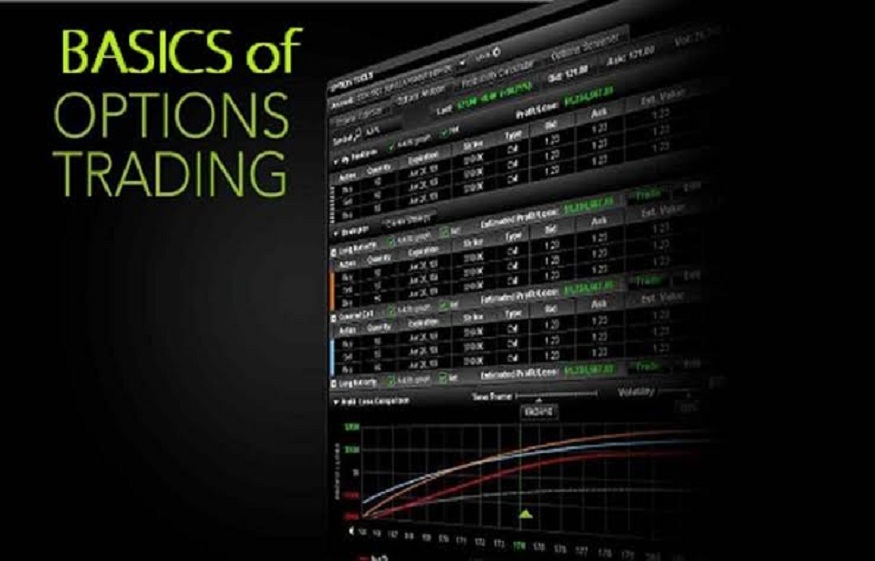
Volatility can also encourage traders to become more flexible in how they interpret information. A technical pattern that worked consistently in a quiet market may become less reliable when prices are reacting to rapidly changing news. Conversely, a market that appears chaotic on a short-term chart may still contain a broader trend when viewed over a longer timeframe. Understanding the principles behind options trading basics, for example, can help traders recognise how changes in implied volatility can affect option values independently of the underlying asset’s price.
The Role of Discipline During Fast Markets
Fast-moving markets can create a strong temptation to act immediately. Large candles, sudden reversals, and dramatic headlines can make traders feel that waiting means missing an opportunity. Yet acting quickly is not necessarily the same as acting effectively. Experienced traders understand that urgency can distort judgment, particularly when a position is entered simply because the market appears to be moving without a clearly defined reason for taking the trade.
A written trading plan can provide an important counterweight to that pressure. Defining acceptable risk, preferred setups, maximum position sizes, and conditions for exiting a trade before entering can reduce the influence of emotion. It can also make it easier to recognise when market conditions have changed enough that a familiar strategy should temporarily be avoided.
Conclusion
Volatility can fundamentally change the way experienced traders think because it changes the conditions under which their decisions are made. Larger price movements, shifting liquidity, changing expectations, and faster reactions can expose weaknesses that remain hidden during calmer periods. The response does not have to be an attempt to predict every market swing. A more practical approach is to reassess position size, risk tolerance, execution, time horizon, and the assumptions behind each trade.
Read More : 5 MUST-KNOW VAT COMPLIANCE BASICS FOR BUSINESS OWNERS SERVING THE EU
Experience in trading is not simply measured by how many market cycles someone has witnessed. It is also reflected in the ability to adapt when familiar conditions disappear. Volatility can test confidence, but it can also encourage better preparation and stronger discipline.